Key Takeaways
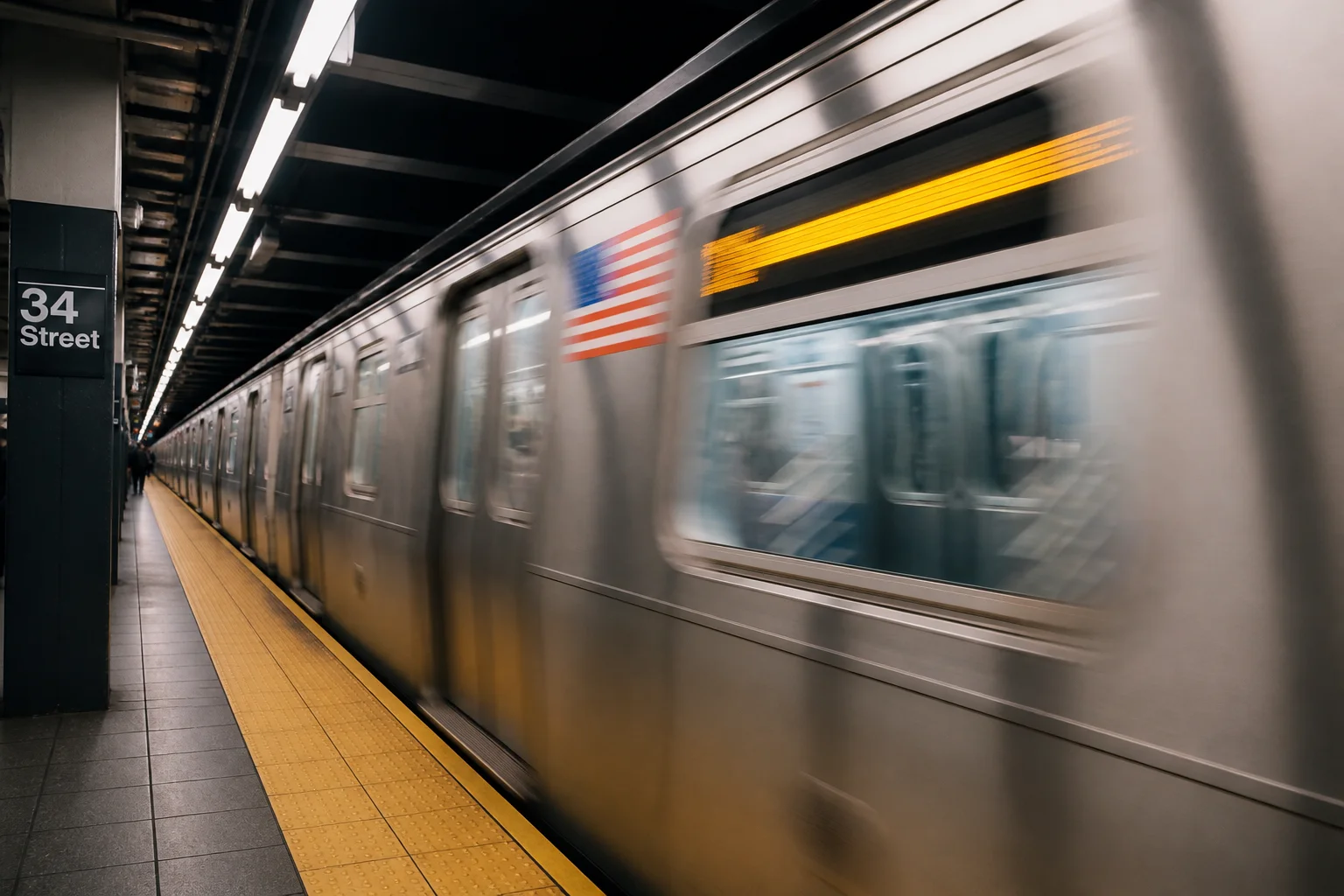
- Metropolitan rail authorities deploy high-capacity express shuttle trains departing every 4 to 6 minutes directly following the final encore.
- Pre-paid digital parking permits sell out weeks in advance; onsite payment lanes do not accept cash or unregistered vehicles on concert days.
- Designated rideshare drop-off and pickup geo-fences operate strictly at perimeter outer lots roughly 12 minutes walking distance from main gates.
Rapid Rail & Dedicated Transit Networks
Managing the flow of seventy thousand concertgoers requires strict coordination between stadium operations and city transit authorities. Light rail and express metro corridors serving stadium districts scale their schedules significantly on concert dates, initiating rapid turnaround frequencies three hours before stadium doors open. Boarding trains earlier in the afternoon guarantees uncrowded transit cars and leaves plenty of buffer for outdoor security checkpoints.
Loading digital contactless transit passes onto smartphones before leaving home eliminates the need to stand in prolonged queues at station fare machines. Immediately after the stadium show concludes, transit personnel establish directional pedestrian corridors to balance passenger density along rail platforms. Following marked exit signs toward auxiliary terminal lines frequently reduces boarding wait times by over forty minutes.
Specifications & Details
- Express Rail Headways
- Every 4–6 mins post-show
- Rideshare Staging Hub
- Outer Perimeter Lot 4B
- Accessible Entry Checkpoints
- Gates 2 & 9 Priority Lanes
Vehicle Parking & Perimeter Logistics
Driving to major stadium venues requires pre-purchased parking validation linked to your vehicle registration number. Standard arena lots open precisely four hours before main performances, while perimeter police roadblocks restrict unauthorized local vehicular access starting two hours before support artists take the stage. Cellular network congestion regularly hinders mobile data retrieval at entry booths, so storing parking passes locally in smartphone wallets remains critical.
Rideshare drivers operate strictly within geofenced staging lots located on the outer ring boulevard. Once post-concert egress begins, street closures block all personal and ride-hailing vehicles from approaching inner plaza zones. Walking the ten-minute pedestrian path to designated rideshare pavilions ensures orderly queue management and prevents vehicles from becoming immobilized in stadium gridlock.
No comments yet. Be the first to share your transit tips and access insights.