Early Foundations in Pennsylvania and Nashville
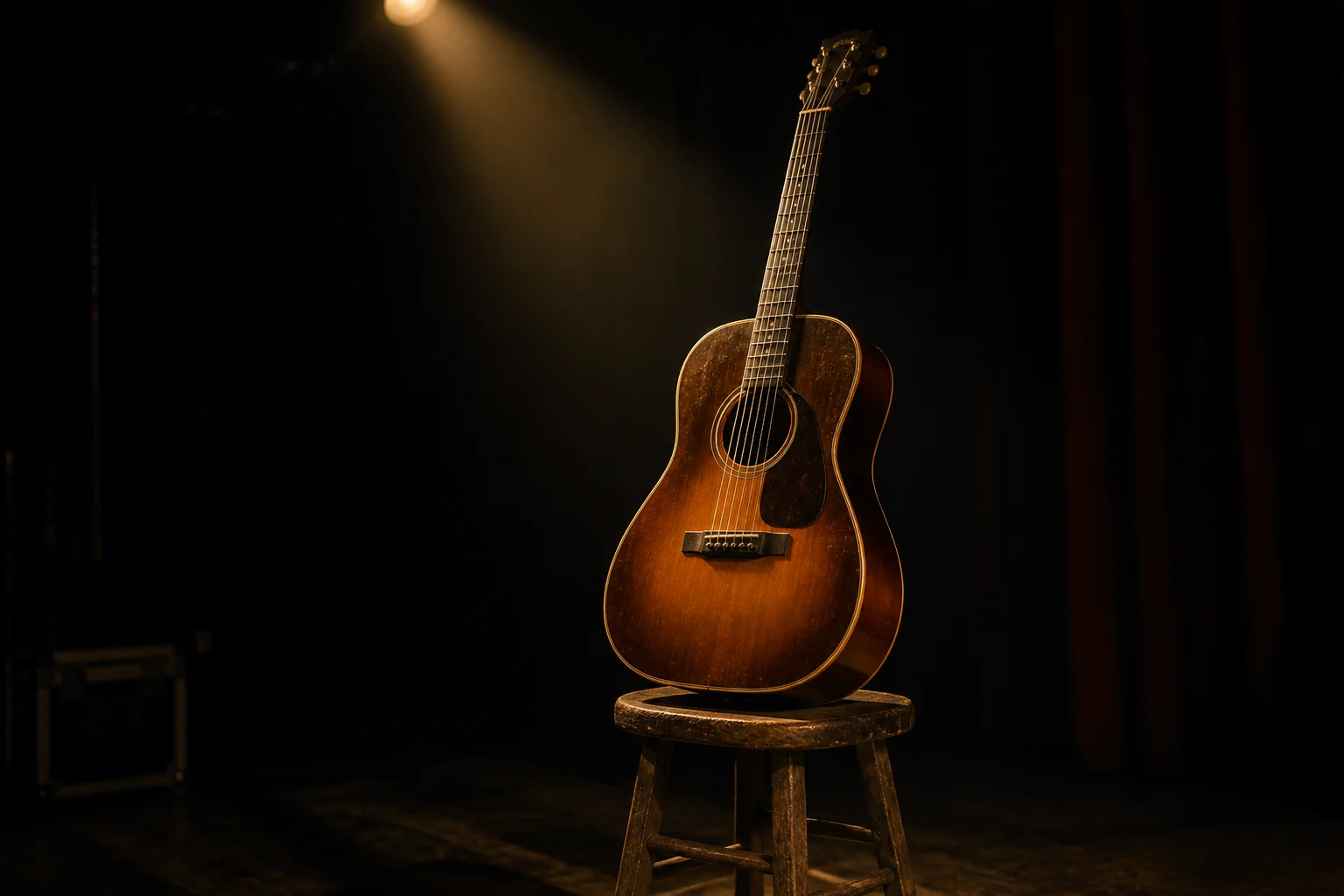
Taylor Alison Swift began her musical trajectory in West Reading, Pennsylvania, where childhood days on a Christmas tree farm fostered a contemplative imagination and early lyricism. By the age of twelve, she had learned three acoustic guitar chords from a local computer repair technician, swiftly translating adolescent diary entries into melodic narratives that captured the unfiltered nuances of youth.
Recognizing her focused determination, her family relocated to Hendersonville, Tennessee, placing her directly within the country music epicentre. Swift spent afternoon hours after high school along Music Row pitch-sessions, securing a songwriting publishing deal with Sony/ATV Tree before most peers held driver licenses. Her eponymous 2006 debut album demonstrated that personal teenage vulnerability possessed universal commercial resonance.
Songwriting has always been the compass guiding everything else; no matter how grand the stage becomes, the origin remains a single room and an honest feeling.
— Taylor Swift, Songwriters Hall of Fame Keynote
Defining Milestones and Genre Transitions
Swift's career path resists predictable patterns through recurring cycles of creative reinvention. Instead of settling inside established country radio formats, she progressively incorporated synth-driven textures and expansive pop engineering, orchestrating historic album-era transitions that set new benchmarks for mainstream artistry.
Songwriting Architecture and Studio Craft
At the core of Swift's widespread appeal lies her architectural approach to songwriting. Melodic motifs and bridge compositions frequently operate as emotional focal points, allowing arrangements to build dramatic momentum before resolving into reflective codas. Her collaborations with producers such as Max Martin, Jack Antonoff, and Aaron Dessner reveal an ability to adapt vocal phrasing to entirely contrasting sonic canvases.
During the 2020 global pause, her sudden release of Folklore and Evermore documented a transition from autofiction into character-driven mythmaking. By weaving fictional character arcs through wooded arrangements, she reaffirmed her literary standing among contemporary American lyricists, earning her third Album of the Year Grammy and broadening her critical consensus.
Cultural Resonance and the Modern Era
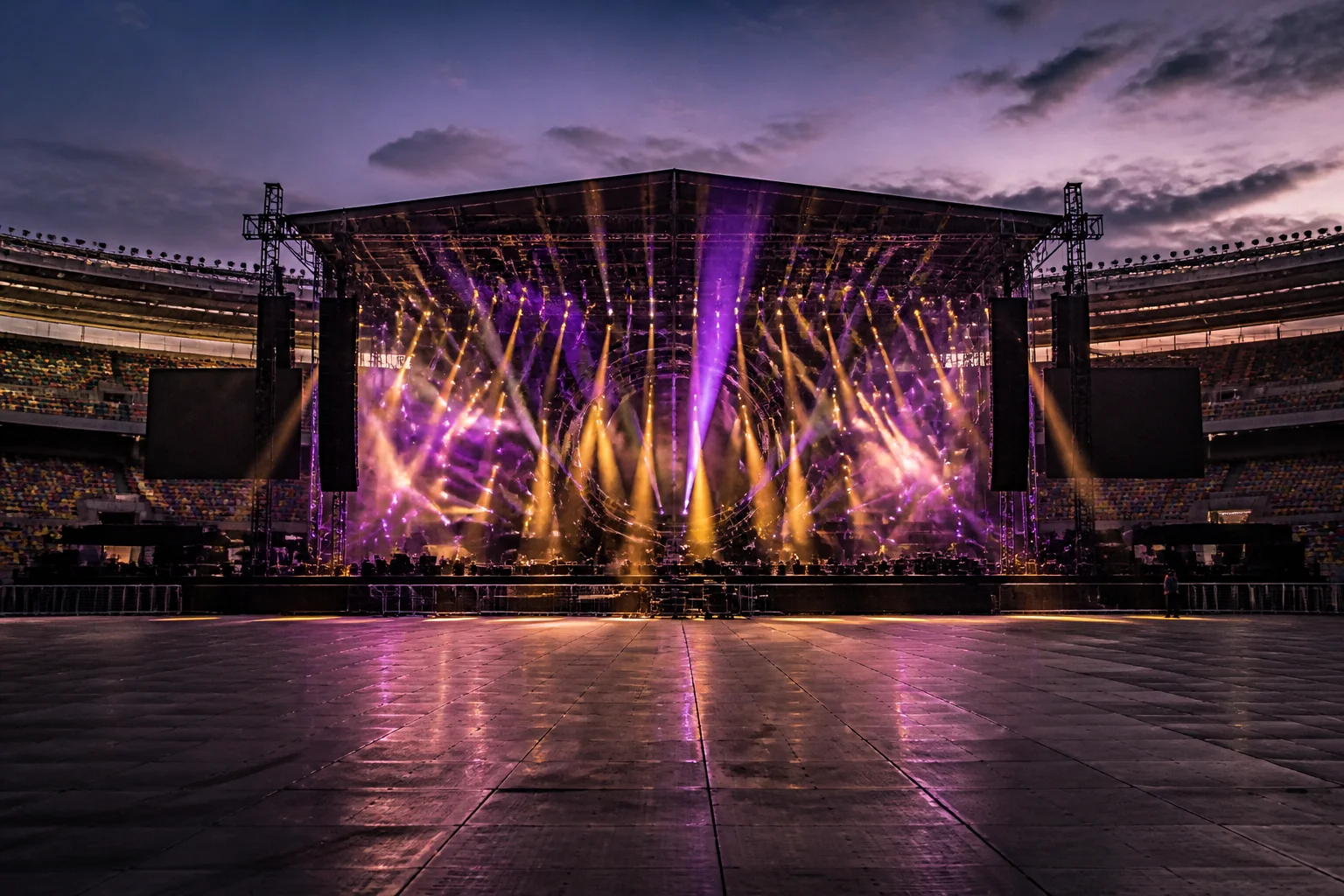
Heading into 2026, Swift's cultural standing combines artistic longevity with unmatched live touring records. Her commitment to catalog ownership has influenced contract standards across the recording industry, while her stadium productions set logistical precedents in contemporary entertainment. Her work continues to inspire academic seminars, analytical retrospectives, and multi-generational communities united by genuine storytelling.
Explore the Live Performance Chronology
Discover how two decades of studio songwriting translate into ground-breaking stadium spectacles worldwide.
Related Chapters
Community Insights
Alex
Fan ReaderGreat summary of her early life.
Leave a Thoughtful Comment